
Being Needed Is Not the Same Thing as Being Known
The Quiet Grief of Women Who Became Caretakers Too Young

Some women, like me, arrive in adulthood carrying a role to perform instead of a true, authentic self to nurture and honor. As the oldest child, I learned to be the helper, the caretaker, the responsible one, the one who was supposed to set an example for my younger sisters on how to be a “good girl”.
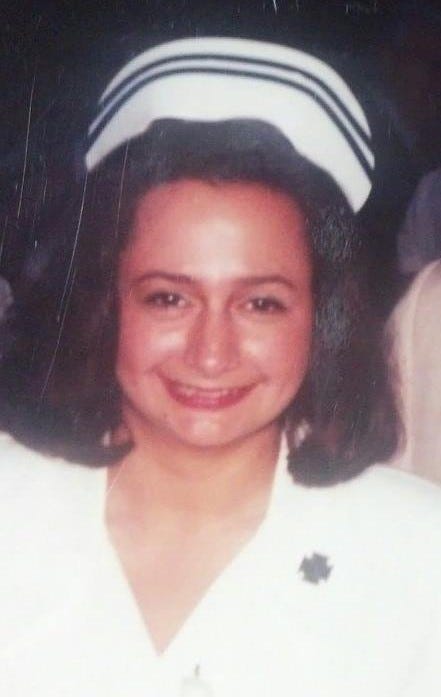
Instead of learning who I was in my formative years, I learned who I needed to be for everyone else’s comfort and convenience. I learned that my value lied in being easy and useful. From the time I was little, I was being shaped into a caregiver. My grandmother used to call me her “little nurse.” At the time it sounded sweet, affectionate, almost prophetic. People love telling little girls who they are going to become, especially when that identity revolves around caring for others.
And honestly, I was good at it. I was observant, responsible, and mature for my age. By around nine years old, I was helping take care of my grandmother. Not play-helping… actually helping care for her by fixing her lunches, drawing up her insulin injections, helping her bathe, and doing complex dressing changes on her diabetic feet.
Then my parents split up, and my mother was suddenly working multiple jobs to survive. I became the oldest daughter in a house with younger sisters, and like so many oldest daughters do, I quietly absorbed responsibility as if it were oxygen. And as I always had, I also made good grades and got praise from teachers for being quiet, compliant, and easy to deal with. Adults praise those qualities in little girls constantly, without asking why the child became that way so early.
Because I adapted so well, people assumed I was fine. That’s the thing about competent girls. Adults often mistake adaptation for emotional health. The child who doesn’t need much becomes the child who receives less. The quiet, compliant teenage girl who rides the bus from the trailer park to school gets looked over by guidance counselors, and instead of being guided into the STEM fields, it is suggested she become a nurse or a teacher. After all, what more could such a girl hope for?
At age nineteen, I became a mother myself. When it was clear that that marriage had been a mistake, I had to decide between being a single mom on welfare and building a career that would sustain me and my son. Nursing felt almost inevitable. Caregiving was already the role I had been performing my entire life, and deeply exploring my own identity or passions or dreams was not remotely on my radar. What else was I supposed to become?
And I don’t say that with bitterness. Nursing gave me a career. It allowed me to raise my children. It gave me stability, purpose, income, identity. I’m grateful for it, but gratitude and self-awareness can exist together. If I had it all to do over gain, nursing would not be in my top ten ideal career paths.
Because now, in midlife, I’m starting to understand something that I think many women eventually realize… Being needed is not the same thing as being known. And being praised for your usefulness can become a trap. Especially for women.
When little girls are constantly praised for being easy, being mature, being nurturing, being selfless, anticipating needs, helping adults, they often grow into women who struggle to identify their own desires at all.
These women, like me, were trained to monitor everyone else first, and respond to their needs. We become so skilled at caregiving that we build entire identities around functionality, competence, and being dependable. And the world looks at that and calls us a “good woman”.
Until one day the children are grown, the relationships change, the career loses meaning, the exhaustion catches up, and a woman finds herself staring at her own life asking, “Who am I when nobody needs me?” That question can feel terrifying when usefulness has been your primary source of worth for decades.
Maybe you learned very early that your value came from being helpful, being competent, not causing problems, not needing too much, being emotionally steady while the adults around you were not. Maybe you became hyper-independent because nobody consistently made you feel safe enough to fully fall apart. Maybe people describe you as “strong,” but what they really mean is that you learned how to keep functioning no matter how depleted you became. Maybe rest makes you uncomfortable. Maybe receiving feels unnatural. Maybe you instinctively scan rooms looking for tension before you can relax. Maybe you feel responsible for other people’s moods without even realizing it. Maybe you have spent your entire life being emotionally useful to others and secretly have no idea what you actually enjoy when nobody needs something from you. And maybe the world applauded you for it.
That’s what makes this pattern so difficult to recognize. Because the woman who over-functions is often highly successful. People admire her resilience while completely missing the fact that she learned to survive by disconnecting from herself.
I don’t think healing from this happens all at once. It starts when a woman notices she is exhausted from constantly managing everything and everyone. It starts when she stops automatically volunteering herself for every emotional burden in the room. It starts when she begins asking questions that once felt unavailable to her.
What do I actually want? What feels peaceful to me? What drains me? What am I doing out of obligation instead of desire? Who am I when I’m not performing usefulness?
And honestly, I think many women hit midlife and realize they’ve spent decades building a life around who they needed to become without ever asking who they truly were underneath all of it. I think that’s the quiet grief many women carry into midlife. Not just the loss of youth. The realization that somewhere along the way, they became so useful that they disappeared inside their own lives.
And maybe healing begins there. Not in becoming someone entirely new, but in finally giving ourselves permission to ask:
Who might I have been if I had learned I was worthy of love before I learned I was useful?
I realized too late that “being needed” was just a way of being used. Now I have to figure out how to find the “me” that got lost. Thank you for shining a light on this.
This is such a powerful piece, Jennifer. All of it, but what you wrote about what the world deems a "good" woman. The ones who make themselves small and agreeable. The ones who sacrifice themselves for others. The caretakers who never ask for help themselves. Those are messages that so many of us metabolized at a young age, and I can't help but wonder, what would the world be like today if all those little girls had been allowed to be fully and completely themselves instead?